+
Loading products and specifications…

Loading products and specifications…
Send the model or part number, quantity and delivery location.
NETWORK RFQ / ENDPOINTS AND LINK DESIGN
A network hardware RFQ needs the device role, interfaces and software requirements as well as the model number. Use the checklist below for switches, routers and security appliances, and identify optics, power supplies and subscriptions as separate BOM lines.

What this page covers
NETWORK RFQ / ENDPOINTS AND LINK DESIGN
A network RFQ should describe the device role and the links it must form. Separate switches, routers, firewalls and host adapters, then specify port counts, speed, media, power and software requirements. Record the remote endpoint for each important link so optics, cables and feature assumptions can be checked in context.
Choose the equipment role and model, then record uplinks, power supplies and required operating features.
Explore ↗Add cabinet mounting, supply voltage, temperature and environmental requirements for operational installations.
Explore ↗Quote removable optics, cables, supplies and cords explicitly rather than assuming they accompany the main unit.
Explore ↗Product gallery
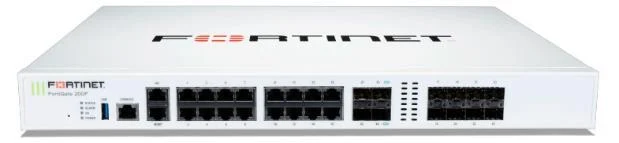
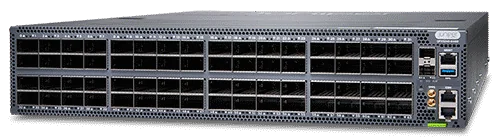
Explore named product examples and manufacturer views. Chassis, connectors and form factors help narrow the discussion; the quoted model, configuration and unit photos establish the final order.
No matching product views. Try another brand or model.
Describe access, aggregation, core, routing or security role, existing devices and expected traffic. Include redundancy and management requirements.
List port speeds, media, breakout, transceivers, cables, PoE budget, airflow and AC/DC power. For modular systems, identify chassis and every required module.
State the target operating-system release and required features. Confirm license and support eligibility for the offered hardware instead of assuming they transfer with the device.
Agree on model/serial verification, port checks, boot or diagnostic evidence and included accessories. Define acceptance requirements in the quotation.
Selection at a glance
| RFQ section | Describe | Resolve before approval |
|---|---|---|
| Device role | Switch, router, firewall or NIC; exact model | Required functions, software and licence scope |
| Physical links | Ports, speed, connectors and remote endpoints | Supported optics, media, distance and cables |
| Installation | Power, airflow, mounting and environment | Supply variants and installation accessories |
Send the exact manufacturer model or part number with your configuration. We will review the request and confirm whether a suitable item can be quoted.
Application planning
Map client ports and uplinks, then record power and management requirements for the proposed switch.
Document both ends of each link so adapter, switch and optical choices can be reviewed together.
Treat site environment and electrical supply as RFQ inputs alongside the network topology.
Application photography
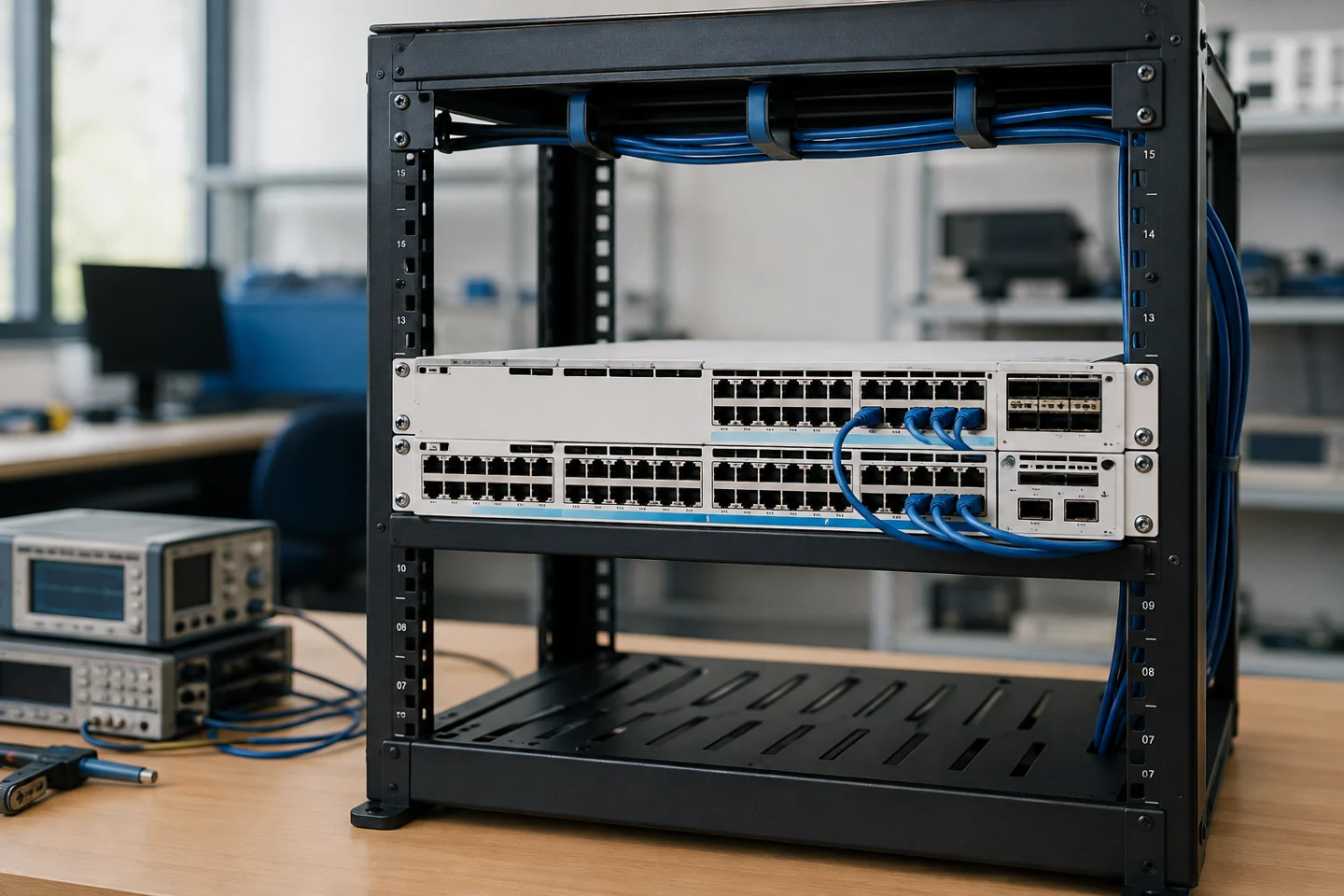
Illustrative equipment scenes. Ask for photos of the equipment offered.
 +
Product illustration
No matching product views. Try another brand or model.
Deployment context
Illustrative settings for planning equipment, installation and service requirements.
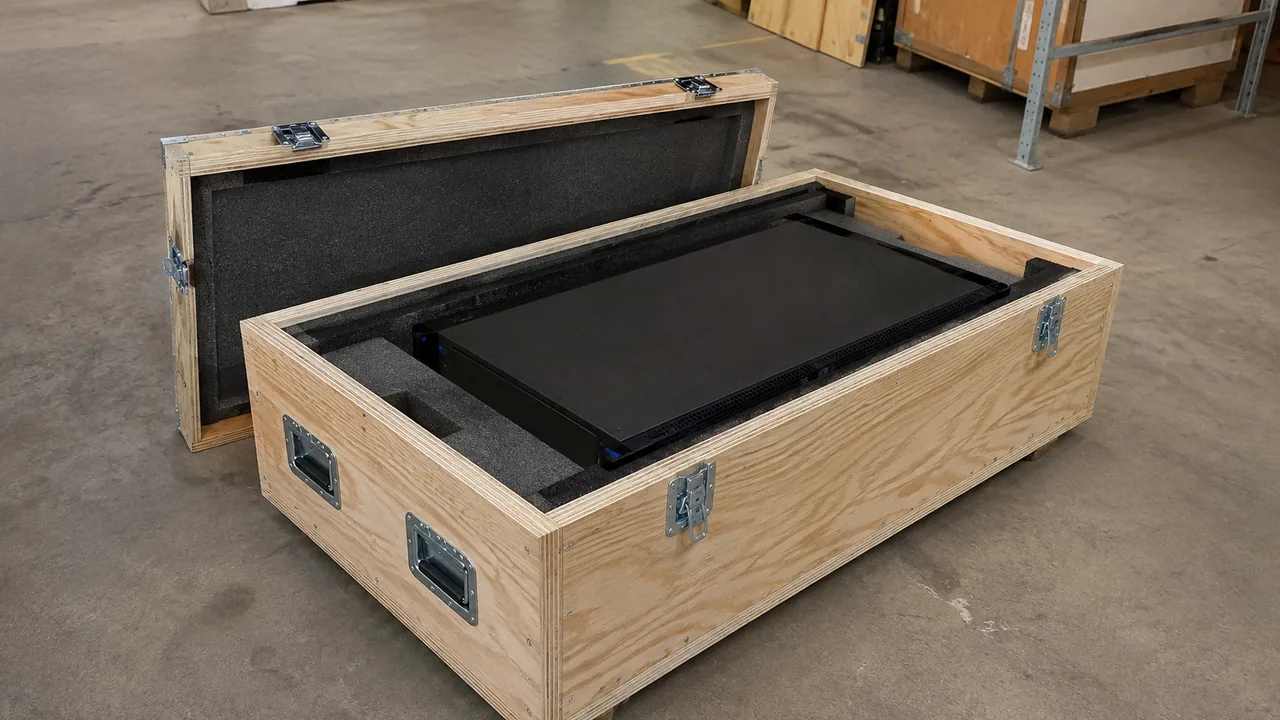
A protected crate illustrates clearance, restraint and impact protection for larger hardware shipments.
Illustrative scene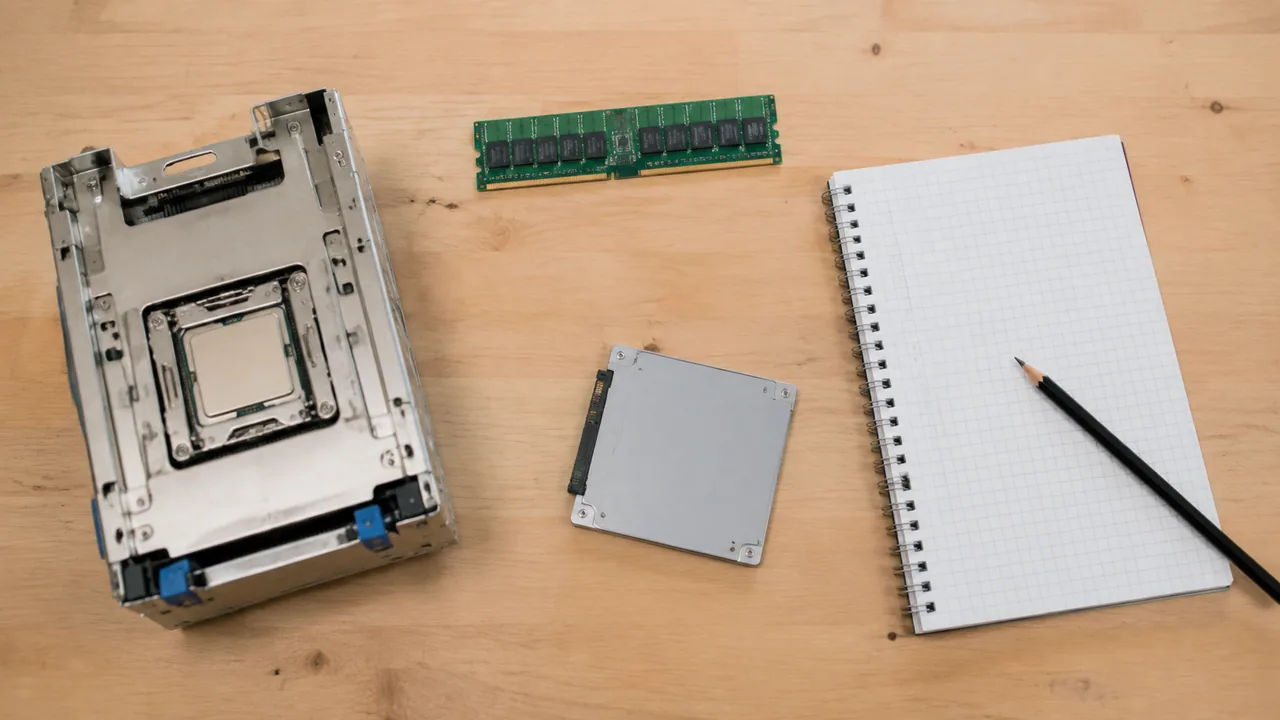
A configuration planning desk brings server hardware and component choices into the same review setting.
Illustrative scene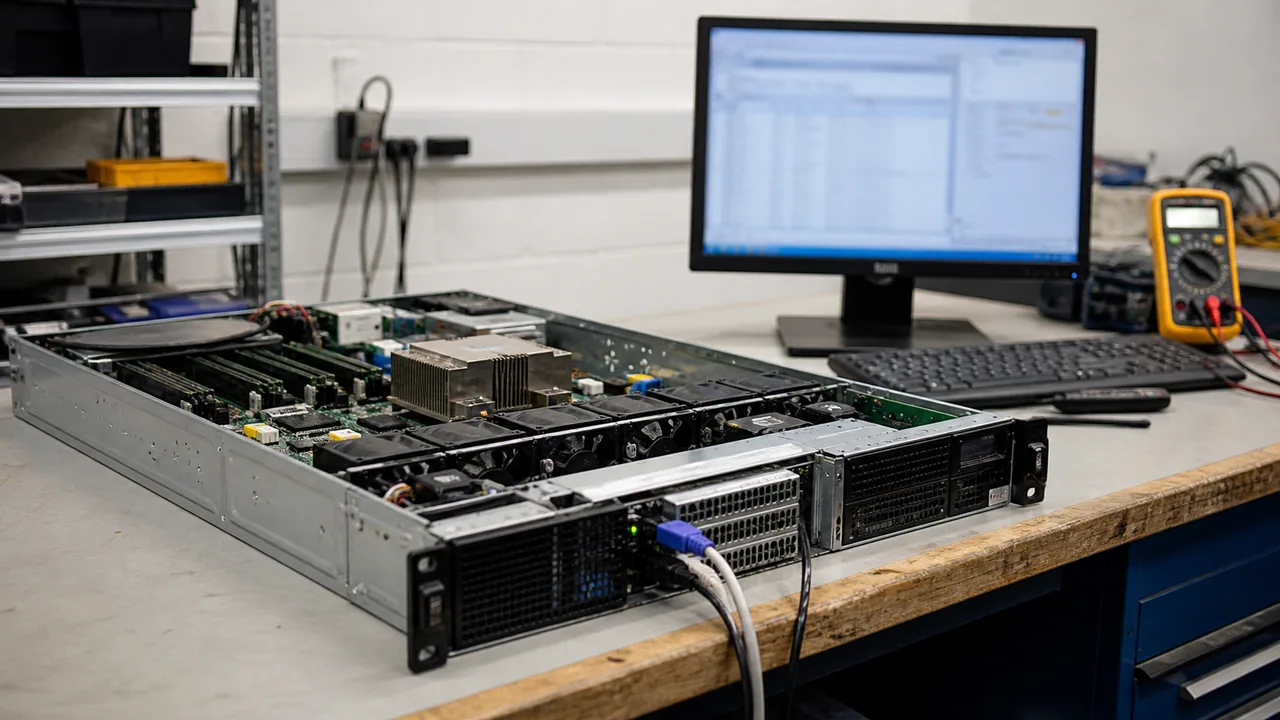
A diagnostic bench provides accessible equipment placement for a defined inspection and test process.
Illustrative sceneDescribe access, aggregation, core, routing or security role, existing devices and expected traffic. Include redundancy and management requirements.
List port speeds, media, breakout, transceivers, cables, PoE budget, airflow and AC/DC power. For modular systems, identify chassis and every required module.
State the target operating-system release and required features. Confirm license and support eligibility for the offered hardware instead of assuming they transfer with the device.
Questions, answered
No. Include port types, uplinks, required features, software scope, power and installation requirements.
Keep their intended functions and models distinct, including any licences or services required for the deployment.
Provide the exact endpoint models and ports, media, connector, required distance and supported module identifier when known.
Describe access, aggregation, core, routing or security role, existing devices and expected traffic. Include redundancy and management requirements.
Treat an alternative as a separate item to review. Confirm the exact offered configuration, acceptable condition, included accessories, software scope, lead-time basis and warranty in the quotation before ordering.
Technical reading
Check the model, document revision and proposed configuration when using these references.
Add the model or part number, quantity, target system and destination to your RFQ. Include acceptable condition and required delivery date so the quotation can state a clear scope.
Illustrative scenes. Ask for photos of the equipment offered.